
Why Preparing Fresh Food for Your Pet Can Be a Beautiful Act of Love

A Loving Look at Kibble, Fresh Food, and Why Pet Parents Deserve to Know More

For many pet parents, feeding our furry ones begins with trust.
We trust the bag.
We trust the label.
We trust the words “complete and balanced.
”We trust that the food in the bowl is supporting the body, the immune system, the gut, the skin, the coat, and the beautiful little soul looking up at us.
And listen, this is not about shame. It is not about fear. It is not about making anyone feel bad for feeding kibble. Many loving, devoted pet parents are doing the very best they can with the information they have.
But here is the truth: sometimes the pet food aisle makes things look cleaner, safer, and more nourishing than they really are. And our animals deserve more than pretty packaging. They deserve informed choices.
The Bowl Is More Than Food
Food is not just something that fills the belly. Food becomes the body. Food becomes energy. Food becomes skin, coat, muscle, mood, digestion, immunity, and vitality.
Every meal is sending a message to your pet’s body.
So it is worth asking:
What is actually in this food?
How was it made?
Where did the ingredients come from?
How much life is left in it by the time it reaches the bowl?
This is where we gently lift the curtain. Not to scare ourselves. To wake ourselves up.
What Does Extrusion Mean?
Most dry kibble is made through a process called extrusion. Extrusion is a manufacturing process where ingredients are mixed together, ground down, pushed through a machine, cooked under high heat and pressure, shaped into small pieces, dried, and often sprayed afterward with fats, flavors, or palatants to make the food smell and taste appealing.
That is how we get those little brown crunchy pieces that can sit on a shelf for months.
The concern is that extrusion is intense processing. High heat can change the structure of proteins, affect fats, reduce natural enzymes, and alter the food from its original form. Some nutrients may need to be added back in afterward because the process itself can reduce the natural nutrient value of the ingredients.
So while kibble may be technically formulated to meet basic nutrient requirements, it is still a highly processed food. And just like with humans, surviving on processed food is not the same as thriving on fresh, whole nourishment.
What Is Rendering?
Rendering is another important word for pet parents to understand. Rendering is the process of cooking animal tissues at high temperatures to separate fat, remove moisture, and create ingredients like meat meals, animal fat, bone meal, and by-product meals.
Some rendered ingredients may come from acceptable sources. Not every rendered ingredient is automatically terrible. But the problem is transparency. Rendering can make it harder to know the true quality, freshness, and origin of the ingredients.
When a label says things like: animal fat, animal digest meat, meal meat and bone meal, poultry by-product meal animal by-product meal …it does not always give you the full story.
What animal did it come from?
What parts were used?
How fresh was it?
Was it human-grade?
Was it rejected from the human food system?
Was it clean, carefully sourced, and handled properly?
These are fair questions. Because our animals are not waste bins for the food industry.
They are family.
By-Products: Not Always Bad, But Not Always Beautiful
Let’s be honest and balanced here. The word “by-product” does not automatically mean poison. Some by-products can include organ meats, and organs can be incredibly nutrient-rich when they are clean, fresh, and used with intention. Liver, heart, kidney, and other organs can play a beautiful role in a balanced fresh food diet.
But there is a big difference between carefully chosen organ meat and vague, heavily processed by-product ingredients in a dry food formula. One is intentional nourishment.
The other can feel like mystery meat in a crunchy disguise. And our pets deserve more than mystery.
The Part Nobody Wants to Talk About
Now we need to talk about something uncomfortable. There have been documented cases where pentobarbital, a drug used for euthanasia, has been found in pet food or pet food ingredients.
That does not mean every pet food contains this.That does not mean every company is careless.That does not mean pet parents need to panic. But it does mean we need to pay attention.
Pentobarbital contamination raises serious questions about sourcing, rendered ingredients, quality control, and what can sometimes enter the animal food supply when standards are not strong enough. This is one of those “yucky but necessary” truths.
Because if we do not know it is possible, we do not know to ask better questions.
And asking better questions is how we become better advocates for the animals we love.
Pet Food Recalls Are Another Wake-Up Call
Over the years, pet food recalls have involved concerns such as:
bacterial contamination
mold toxins
excess vitamin levels
insufficient vitamin levels
foreign materials
contaminated ingredients
unwanted drug residues
Again, this does not mean every brand is unsafe. But it does mean pet parents should stay informed. A beautiful bag can still hold a highly processed product. A pretty label can still hide vague ingredients.
A brand can sound wholesome without being deeply nourishing. Marketing is the front door. The ingredient panel is the kitchen.
Fresh Food Is Not About Being Perfect
Fresh feeding does not mean you have to throw out everything overnight and become a gourmet pet chef by Monday morning.
Thank goodness, because most of us are already trying to keep up with life, laundry, and the dog staring at us like we are three minutes late for dinner.
Fresh feeding can begin gently.
You might add:
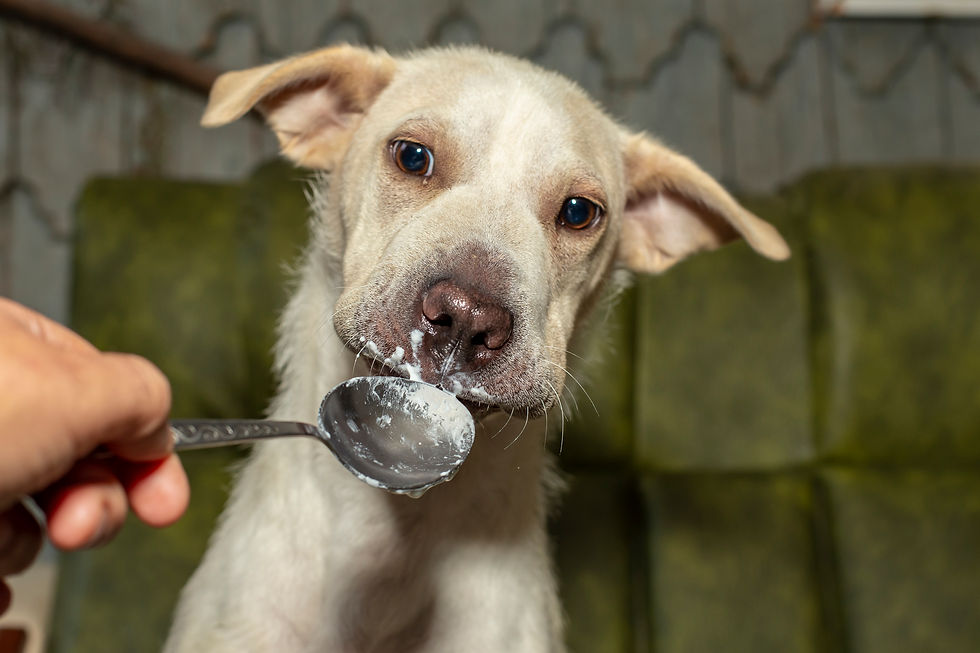
a spoonful of fresh cooked meat
a little pet-safe bone broth
a small amount of sardines
lightly steamed pet-safe vegetables
fresh toppers
balanced homemade meals
fresh food a few days a week
Small changes matter. Even replacing a portion of highly processed food with fresh, real food can bring more moisture, aroma, texture, and vitality into the bowl.

But Balance Still Matters
This is important. Fresh food does not mean tossing random leftovers into your pet’s bowl and calling it wellness.
Dogs and cats have specific nutritional needs. Puppies, kittens, seniors, and pets with health conditions need extra care. Cats especially require nutrients like taurine and must be fed with their unique needs in mind.
A home-prepared diet should be balanced over time and ideally created with guidance from a qualified pet nutrition professional or holistic veterinarian.
Fresh food should be thoughtful, not chaotic. The goal is not to create stress.
The goal is to create nourishment.
The Soul Whisker Way
At my house I believe the bowl is more than a bowl. It is a daily ritual of love. It is one of the simplest ways we tell our animals:
I see you.
I care about your body.
I want your life to feel good.
I want you to have energy, comfort, joy, and vitality.
I want you to thrive, not just survive.
This is not about fear. But it is about truth.
Because once we understand what extrusion is, what rendering is, what vague ingredients can mean, and why sourcing matters, we become more empowered pet parents. And empowered pet parents make better choices. Not perfect choices. Better ones.
One label at a time.
One fresh topper at a time.
One bowl at a time.
Because every meal is a message. And the message should always be love.
Ready to choose better food with less overwhelm?
I created The Soul Whisker 2026 Brand List for Dogs & Cats to help you find trusted premade foods — including raw, air-dried, freeze-dried, canned, and gently cooked options — from companies that checked my boxes for quality, transparency, and care.
Whether you’re not ready to make home-prepared meals or simply need healthy convenience, this guide will help you feel more confident about what goes into your furry one’s bowl.
Grab your copy of The Soul Whisker 2026 Brand List and start building a better bowl today.

References
FDA — Potential pentobarbital contamination in certain canned dog foods manufactured by The J.M. Smucker Company. This supports the section about euthanasia-drug contamination being documented, not rumor. (U.S. Food and Drug Administration)
FDA — Evanger’s Pet Food and Against the Grain recall due to potential adulteration with pentobarbital. This gives another FDA-posted example of the same concern. (U.S. Food and Drug Administration)
AAFCO — Byproducts definition and consumer explanation. This supports the balanced point that by-products are not automatically “bad,” but require understanding and context. (AAFCO)
AAFCO — Pet food ingredient list definitions, including animal by-product meal as a rendered product from animal tissues. This backs up the rendering/by-product language. (AAFCO)
FDA — Raw pet food safety page noting that both cooked and raw pet foods may be recalled for Salmonella and Listeria. This keeps the article balanced and prevents it from sounding like only kibble has risks. (U.S. Food and Drug Administration)
FDA — Aflatoxin pet food recall alert. This supports the recall section about mold toxins. (U.S. Food and Drug Administration)
Lankhorst et al., Animal Feed Science and Technology — Study on extrusion’s effect on the nutritional and physical properties of canine diets. This supports the extrusion section. (sciencedirect.com)

Comments